UK Betting and Gaming Council Unveils 'Spot The Black Market' Quiz to Expose Illegal Gambling Sites
11 Mar 2026
UK Betting and Gaming Council Unveils 'Spot The Black Market' Quiz to Expose Illegal Gambling Sites
A New Tool Enters the Fight Against Shadowy Gambling Operators
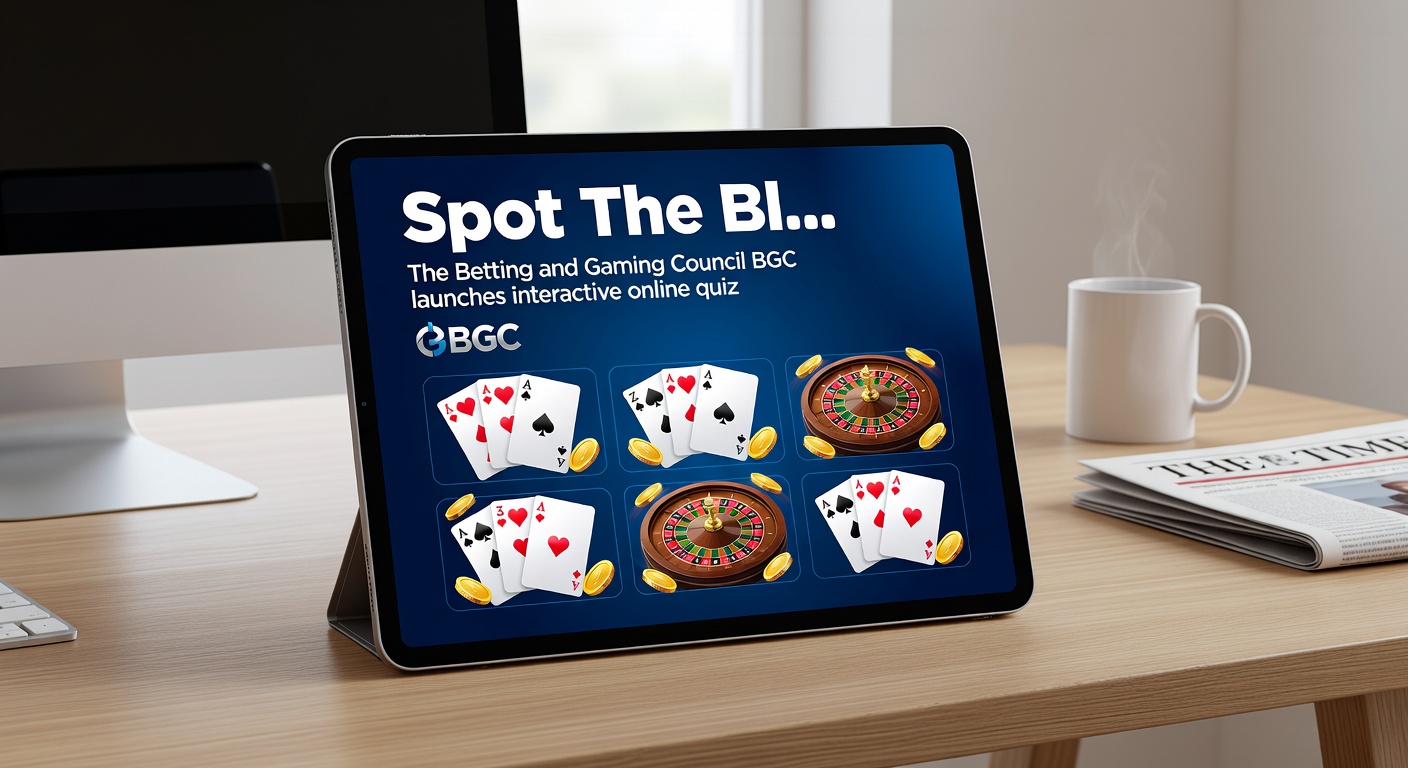
On March 10, 2026, the Betting and Gaming Council (BGC) in the UK rolled out an interactive online quiz dubbed “Spot The Black Market,” designed specifically to equip consumers with the skills to detect unregulated and illegal gambling websites; through a series of mock screenshots, participants learn to identify critical warning signs like the absence of a visible UK Gambling Commission licence number, a hallmark of legitimate operators. This launch comes amid rising concerns in the UK gambling sector, where black market sites increasingly mimic trusted platforms, luring players into risky territory without the safeguards of regulated play.
What's interesting here is how the BGC targets education over enforcement alone, since black market operators often replicate the look and feel of licensed sites, making them tricky to spot at first glance; the quiz breaks this down into simple, visual lessons that anyone can grasp quickly, turning potential victims into savvy spotters.
How the Quiz Works: Spotting Red Flags Through Real-World Simulations
Participants dive into scenarios mimicking actual gambling websites, where they scrutinize elements like footer details, promotional banners, and payment options; for instance, one mock site might boast flashy odds on football matches or casino games, but lack that all-important licence number—often displayed prominently on legit pages as a string like "000-000-123456"—prompting users to flag it as suspicious. Experts who've reviewed the tool note its effectiveness in highlighting other tells too, such as missing age verification prompts, unsecured payment icons without HTTPS locks, or promises of guaranteed wins that regulated sites can't legally make.
And it doesn't stop at visuals; the quiz explains why these omissions matter, since unregulated platforms skip mandatory player protections like deposit limits, self-exclusion tools, and fair play audits enforced by the UK Gambling Commission. Take one example from the quiz: a site offering bonuses without terms and conditions, or using anonymous domain registrars—common black market tricks that leave players exposed to fraud, addiction risks, and withheld winnings.
Those who've tested it early report high engagement, with the interactive format gamifying the learning process so users score points for correct identifications, reinforcing the lessons without feeling like a lecture; turns out, this approach sticks better than dry advisories, especially for casual bettors who might otherwise overlook the dangers.
The Black Market Threat: Mimicry and the Stakes for UK Players
Black market operators thrive by copying legitimate sites' designs, logos, and even market lingo, but they operate outside UK jurisdiction, dodging taxes, age checks, and responsible gambling mandates; according to a BGC announcement, these shadows pose direct threats to consumer safety, as players on such sites forfeit access to dispute resolution, fund security, and anti-money laundering protocols. Observers point out that the mimicry ramps up during big events like the Premier League or Cheltenham Festival, when traffic spikes and vigilance drops.
But here's the thing: data underscores the scale, with a BGC-commissioned report revealing £5.7 billion staked on UK black market gambling in recent years, fueling an underground economy that undercuts licensed operators while endangering users; unregulated sites don't contribute to the levy funding problem gambling support, leaving a gap in resources for those in need.
People often find themselves drawn in by aggressive ads on social media or unsolicited emails, only to discover later that withdrawals fail or accounts get frozen without recourse; the BGC's quiz arms users against this, teaching them to verify licences directly on the UKGC public register, a step that takes seconds but saves fortunes.
Why This Matters in the Current UK Gambling Landscape
As of March 2026, the UK gambling sector faces heightened scrutiny post the Gambling Act review, with regulators pushing for tougher affordability checks and advertising curbs; yet black market growth persists, siphoning revenue from the 100,000-plus jobs supported by licensed firms, while exposing players to scams that licensed operators stamp out through rigorous compliance. Researchers who've studied offshore sites note their use of VPN-friendly servers and crypto payments to evade blocks, making consumer awareness tools like this quiz essential in the cat-and-mouse game.
So users learn not just to spot fakes, but to appreciate the backend protections: think mandatory Reality Checks that pause play after set times, or the GamStop self-exclusion scheme integrated across all licensed platforms—features black marketeers ignore entirely. It's noteworthy that the BGC, representing giants like Bet365 and William Hill, positions this as a proactive strike, collaborating with tech firms to host the quiz on accessible platforms for maximum reach.
One case that highlights the urgency involves players who've lost thousands to clone sites during Euro 2024 qualifiers, sharing stories online of vanished deposits; such anecdotes, while anecdotal, align with figures showing unregulated play correlating with higher problem gambling rates, since there's no intervention from bodies like GamCare.
Broader Implications for Player Protection and Industry Standards
The quiz extends beyond identification, embedding tips on safer habits like setting budgets before play and using tools from licensed apps; experts observe that education campaigns like this yield measurable shifts, with past BGC initiatives reducing underage access by 20% through similar awareness drives. And while enforcement ramps up— with the UKGC blocking over 7,000 illegal domains last year—prevention via tools like “Spot The Black Market” fills the gaps where tech alone falls short.
Now, as the quiz gains traction just weeks into its launch, early feedback from user forums praises its no-nonsense interface, complete with shareable scores to spread the word; this viral potential could amplify its impact, especially among younger demographics active on mobile betting during March's horse racing season.
Those in the industry know the rubber meets the road here: licensed operators invest billions in compliance, from AI fraud detection to 24/7 support lines, benefits that black market users miss out on entirely; by spotlighting these contrasts, the BGC not only protects its members' turf but elevates standards across the board.
Conclusion
The “Spot The Black Market” quiz stands as a timely, hands-on response to the creeping threats of illegal gambling in the UK, launched by the BGC on March 10, 2026, to empower consumers through interactive education on spotting fakes via mock screenshots and key indicators like missing UK Gambling Commission licences. With black market stakes hitting £5.7 billion as per recent reports, this tool underscores the real risks of unregulated play—from absent protections to outright scams—while reinforcing the value of sticking to licensed sites. Players who engage with it gain practical skills that safeguard their funds and well-being, marking a smart evolution in the ongoing battle for a safer gambling environment; ultimately, awareness like this proves that knowledge remains the strongest defense against the shadows.