28 Jun 2026
Payment Pathways Connecting Demo Modes With Shared Rewards in Mobile Gaming Systems
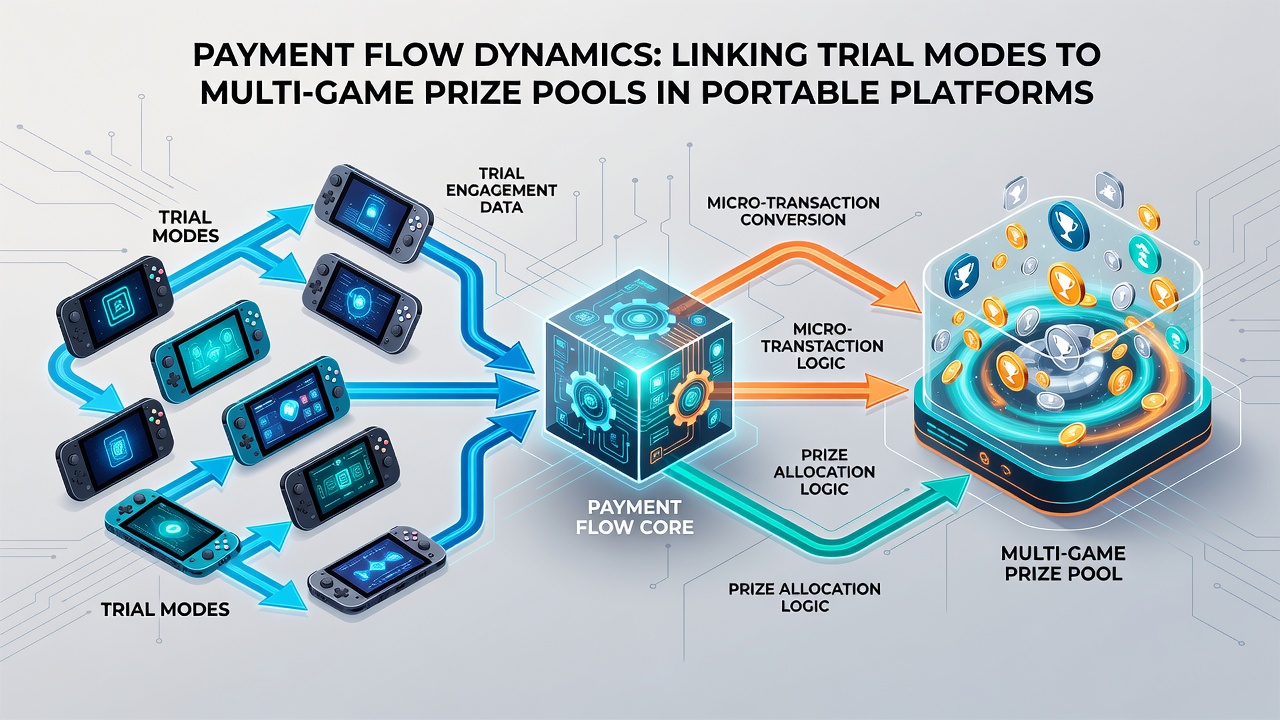
Payment flow dynamics in portable platforms operate through integrated systems that allow users to transition from trial modes into real-money participation while directing portions of those transactions toward multi-game prize pools, and researchers at institutions such as the University of Nevada Reno Gaming Innovation Lab have documented how these mechanisms function across various mobile applications since the early 2020s.
Trial modes typically serve as entry points where participants engage without financial commitment, yet the underlying architecture tracks user behavior and prepares seamless shifts once payment authorization occurs, while data compiled by the Australian Gambling Research Centre shows that mobile platforms in regulated markets process these transitions through encrypted channels that maintain continuity between free and paid sessions.
Mechanics of Trial-to-Paid Transitions
Portable platforms utilize APIs that link demo environments directly to payment gateways, which means a user completing a trial session can activate real stakes with minimal friction as funds move into accounts that contribute to centralized prize pools spanning multiple game types, and industry reports from the Canadian Gaming Association indicate these pools aggregate contributions from slots, table games, and live dealer formats simultaneously.
Payment processors handle authorization in milliseconds, routing a percentage of each transaction into progressive or shared reward structures that build across titles rather than remaining isolated to single games, whereas figures released by the New Jersey Division of Gaming Enforcement in June 2026 revealed steady growth in mobile transaction volumes supporting such pooled systems.
Integration With Multi-Game Prize Structures
Multi-game prize pools receive inflows from diverse payment methods including digital wallets and bank transfers once trial users convert, creating interconnected reward ecosystems where activity in one title influences potential payouts in others, and observers at the European Gaming and Betting Association have noted how portable platforms synchronize these pools through real-time ledgers that update across devices.
Developers design these flows to comply with regional licensing requirements that vary by jurisdiction, which ensures contributions from trial conversions feed into transparent pools verified through third-party audits, but here's the thing, the technical backbone relies on cloud-based servers that handle high volumes during peak usage periods without disrupting the user experience.
Regional Variations in Implementation
Markets such as those overseen by the Malta Gaming Authority demonstrate standardized protocols for linking trial modes to prize pools that differ from approaches in Asian-Pacific regions where local regulators emphasize different verification steps, while research papers from the University of Sydney Centre for Gambling Research highlight how mobile-specific adaptations accommodate varying bandwidth conditions and device capabilities.
Payment flow efficiency improves when platforms employ tokenization for recurring transactions, allowing converted trial users to maintain momentum toward shared rewards, and statistics from the Singaporean Gambling Regulatory Authority point to increased adoption of these methods in portable environments throughout 2025 and into 2026.
Technical Considerations for Platform Developers
Engineers must balance security protocols with speed during the handoff from trial to paid modes so that contributions reach multi-game pools without delay, and case studies from platform providers show that modular payment architectures enable updates to prize distribution rules across multiple titles at once, whereas legacy systems often required separate adjustments for each game category.
Scalability becomes essential as user bases expand, which leads developers to incorporate load-balancing features that maintain consistent flow dynamics even during promotional events that encourage trial conversions, and analysts from the International Association of Gaming Regulators have tracked these improvements across international deployments.
Conclusion
Payment flow dynamics continue to evolve as portable platforms refine connections between trial modes and multi-game prize pools through coordinated technical and regulatory frameworks, with data from diverse sources demonstrating consistent patterns in how transactions support shared reward systems across regions.