14 Jul 2026
Mapping Incentive Routes Across Spinning Reels, Table Games, and Live Streams Through Multiple Deposit Channels
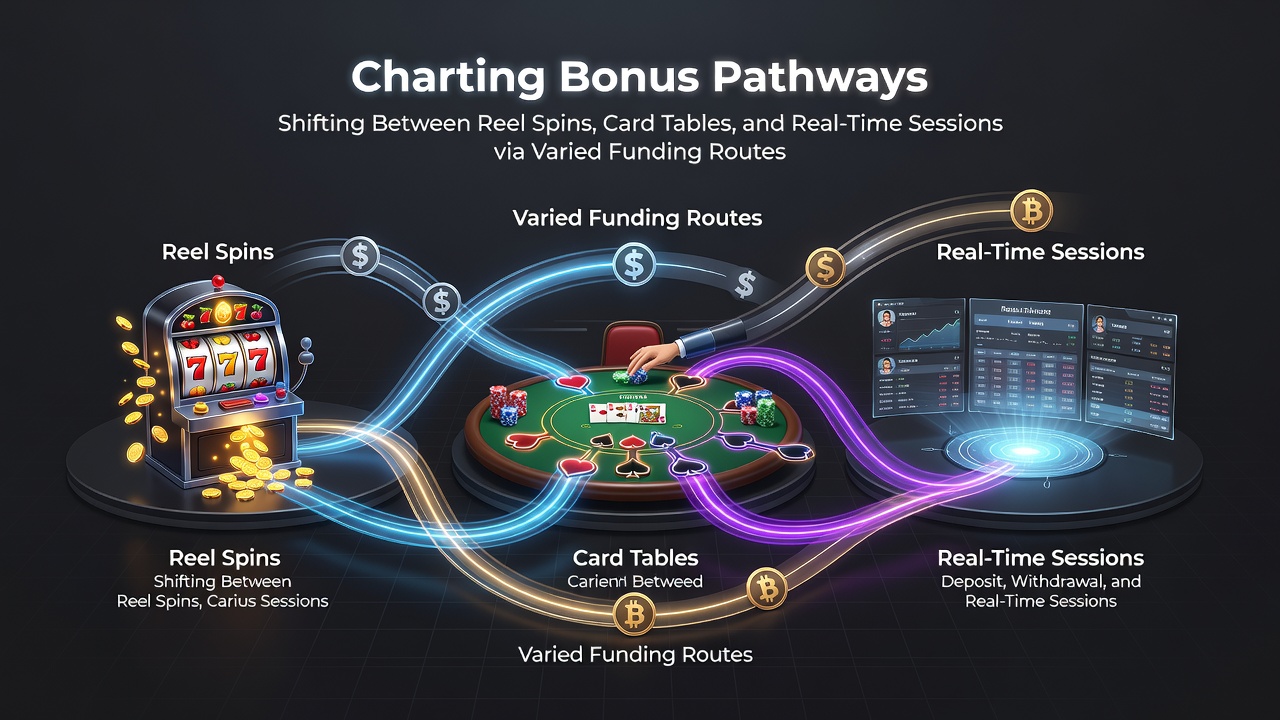
Bonus structures in gaming environments continue to evolve as operators adjust offerings that move between reel-based machines, traditional card tables, and live-streamed sessions, and these adjustments often depend on the deposit methods players select. Regulatory data from different jurisdictions shows how funding routes such as bank transfers, prepaid vouchers, and digital wallets influence which incentives apply and how they transfer across game categories.
Operators track these movements because each payment channel carries distinct processing times and verification rules that affect bonus eligibility. In July 2026 reports from the Nevada Gaming Control Board indicated stable growth in cross-category play where players funded accounts through wire services and then activated promotions that applied first to reel spins before converting toward table game requirements.
Payment Channels and Their Role in Bonus Activation
Varied funding routes create different entry points for incentives. Bank transfers typically require longer settlement periods, yet they often unlock higher-value promotions that remain valid when players shift from slot machines to card tables. Prepaid options provide faster access and frequently pair with time-limited offers that encourage immediate transitions into live dealer environments.
Those who study transaction patterns observe that digital wallet users encounter fewer delays during verification, allowing bonuses to activate across multiple game types within the same session. Research from the University of Nevada Reno documented how players using certain electronic methods maintained eligibility for reel-to-table conversions at higher rates than those relying on slower channels.
Transitions From Reel Spins to Card Tables
Many bonus systems start with reel-based requirements before permitting movement to card tables. Wagering contributions from slot play accumulate toward overall targets that later apply to blackjack or poker variants. Regulators in New Jersey track these sequences through monthly filings that reveal consistent patterns where initial reel activity funds subsequent table engagement.
One study released in mid-2026 highlighted how specific deposit methods accelerated these shifts, with players completing reel targets and then accessing table bonuses without additional deposits. The data showed that certain channels reduced friction during these handoffs compared with traditional card payments.

Live Session Integration and Real-Time Adjustments
Live dealer formats introduce additional variables because session timing and dealer interactions influence how remaining bonus funds convert. Players who move from reel or table play into these environments often find that funding routes determine whether unused portions carry forward. Reports compiled by the Australian Communications and Media Authority noted measurable differences in conversion success based on the original deposit method chosen.
Operators adjust rules accordingly, and data indicates that faster-settling routes support smoother entries into live streams while slower methods sometimes restrict eligibility until full clearance occurs. Observers note that these adjustments appear most frequently in markets where multiple game types operate under unified player accounts.
Regional Data Patterns Emerging in 2026
Figures released during July 2026 across several North American and Australian markets revealed steady increases in multi-category bonus usage. Players who began with reel spins and progressed through card tables before entering live sessions demonstrated higher overall activity when they selected funding routes that minimized processing gaps. Industry reports from the Canadian Gaming Association compiled similar findings from licensed operators in multiple provinces.
These patterns suggest that payment channel selection directly shapes how incentives travel between game formats. Regulators continue to monitor these flows to ensure compliance with existing rules on bonus transparency and player fund segregation.
Conclusion
Bonus pathways that connect reel spins, card tables, and live sessions depend heavily on the funding routes players employ. Data from regulatory bodies in Nevada, New Jersey, and Australia, along with academic research from institutions such as the University of Nevada Reno, shows measurable differences in how incentives activate and transfer based on deposit method. As operators refine these systems, the connections between payment channels and game-type transitions remain central to understanding current market activity.