31 May 2026
Interlinked Gaming Ecosystems: Progressive Networks Bridging Slot Wins and Table Accelerators on Mobile Devices
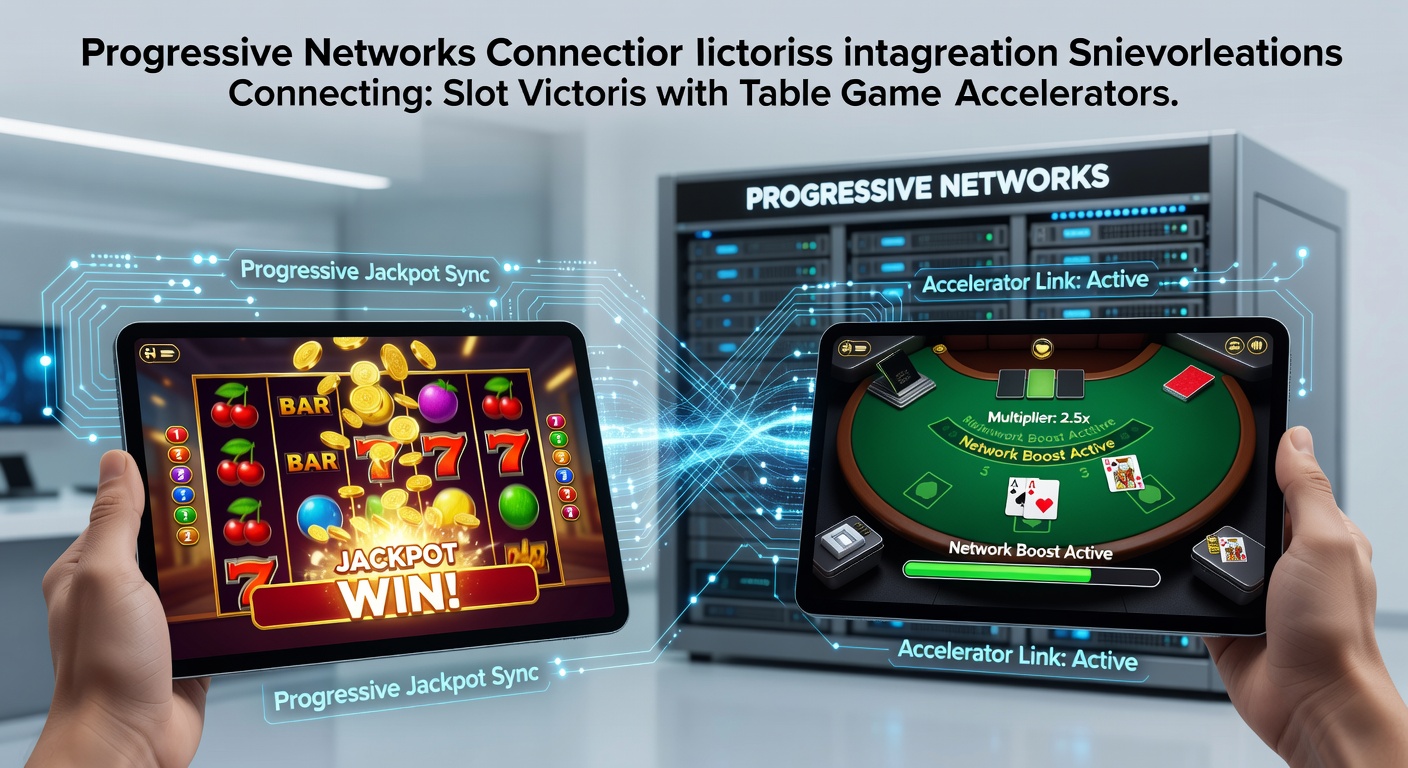
Progressive networks operate by pooling contributions from multiple games into shared prize pools, and these systems now extend connections between slot outcomes and table game features on handheld devices. Data from industry reports shows that operators integrate these networks to allow slot victories to trigger multipliers or bonus rounds in table games such as blackjack and roulette through mobile applications. The connections rely on centralized servers that track player activity across formats in real time.
Mechanics of Cross-Game Progressive Links
Slot wins contribute to a common progressive pool while simultaneously activating accelerators in linked table games, and this process occurs when algorithms detect qualifying wins on mobile sessions. Researchers at the University of Nevada, Las Vegas have documented how these accelerators adjust table game parameters like bet limits or payout rates based on prior slot results. Handheld devices receive updates via push notifications that sync the changes instantly across the player's account.
Systems use random number generators certified by independent testing labs to determine which slot victories qualify for table game boosts, and contributions from each wager feed into the network at fixed percentages. According to figures from the American Gaming Association, mobile platforms account for an increasing share of these interconnected sessions as device processing power improves. Players see the effects in live dealer environments where table accelerators appear as temporary enhancements triggered by remote slot activity.
Technical Infrastructure on Handheld Platforms
Mobile applications host the interface for these progressive networks through APIs that communicate with backend servers managing both slots and tables. Encryption protocols secure the data transfers while maintaining compliance with regional standards outside UK oversight, such as those enforced by the Nevada Gaming Control Board. Developers design the accelerators to activate within seconds of a slot win, creating seamless transitions that keep sessions active on the same device.

Cloud-based processing handles the volume of simultaneous connections, and operators report reduced latency in May 2026 updates that optimized server routing for international players. These improvements allow table game features to draw directly from slot progressive pools without separate funding cycles. Integration testing by third-party auditors confirms that win data from slots propagates accurately to table accelerators across iOS and Android environments.
Player Journey Patterns in Connected Environments
Observers note that users often begin with slot play before the network redirects momentum toward table games through visible progress indicators on handheld screens. Case studies from operators in Australia reveal that linked systems increase session duration when slot victories unlock table bonuses such as extra cards or enhanced odds. The flow follows predictable sequences where initial contributions build the shared pool and later redemptions occur in accelerated table rounds.
Tracking software records these transitions without storing personal identifiers beyond session IDs, which helps maintain privacy standards set by bodies like the Australian Communications and Media Authority. Handheld notifications prompt players to switch formats once a qualifying win registers, and the accelerators reset after each activation cycle. Data indicates that cross-format engagement rises when networks display real-time pool values shared between slots and tables.
Regulatory Context Across Regions
Authorities in multiple jurisdictions require operators to disclose how progressive contributions split between game types, and this transparency applies equally to mobile implementations. In Canada, the Alcohol and Gaming Commission of Ontario oversees similar linked systems to ensure fair distribution of pooled funds. European frameworks in select markets emphasize audit trails that verify slot-to-table connections remain free from manipulation.
Industry groups such as the World Lottery Association publish guidelines on network architecture that mobile providers follow when deploying these features. Compliance involves regular reporting on accelerator frequency and payout verification, which keeps the systems aligned with local gaming laws. Those who've studied these setups know that geographic variations influence how aggressively networks link different game categories on portable devices.
Future Developments in Network Connectivity
Updates scheduled for late 2026 focus on expanding accelerator types to include live dealer variants, and early pilots show slot wins influencing stream-based table parameters. Partnerships between software providers and device manufacturers aim to reduce battery drain during extended connected sessions. Evidence suggests that 5G rollout supports higher data exchange rates needed for complex progressive calculations on handhelds.
Conclusion
Progressive networks continue to evolve connections between slot victories and table game accelerators on handheld devices through established technical and regulatory pathways. Available data tracks these integrations across multiple regions and platforms without indicating uniform outcomes. Operators maintain the systems under existing oversight structures that prioritize verifiable fairness in cross-game mechanics.