23 Jul 2026
Incentives Fueling Moves from Reel Spins to Felt Table Games
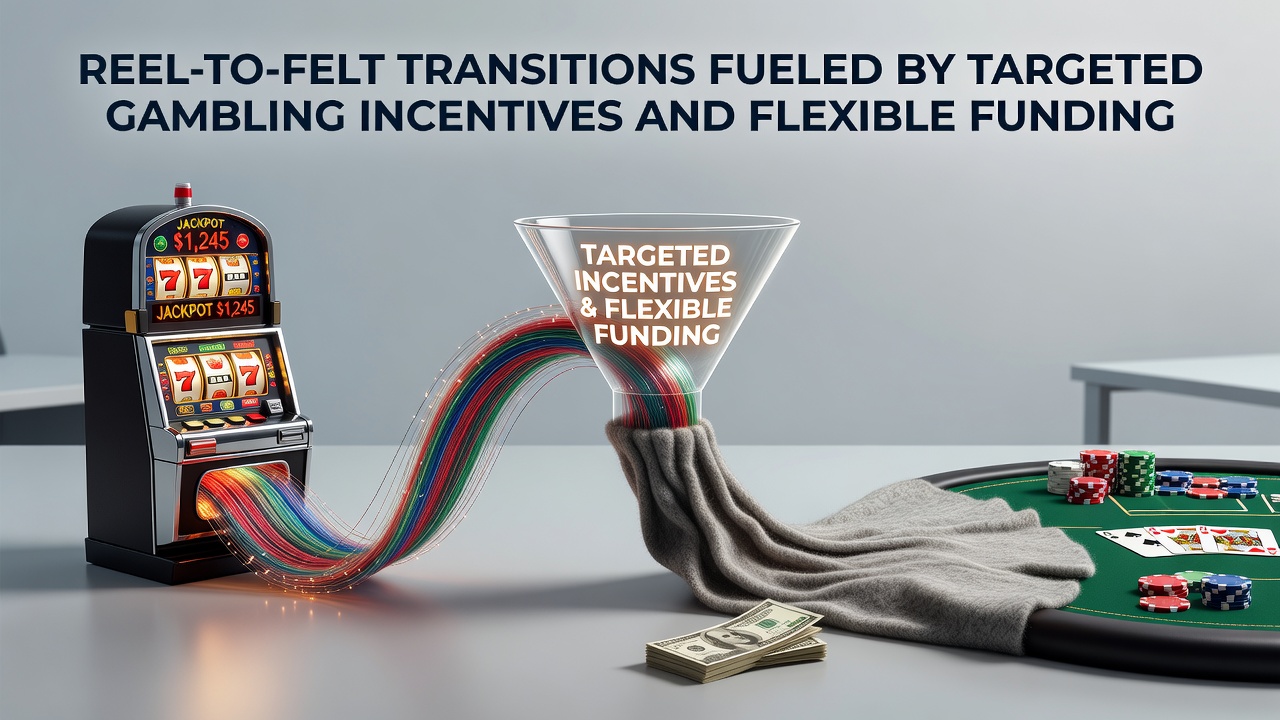
Data released in July 2026 shows continued growth in cross-game activity where players begin with slot reels and then move toward table games on felt surfaces, and targeted incentives play a central role in these patterns according to industry tracking reports. Flexible funding options such as instant e-wallet transfers and card-based deposits allow quicker shifts between game types without extended pauses, which operators document through session analytics.
How Targeted Bonuses Encourage Game Transitions
Operators design bonus structures that reward initial slot play while unlocking table game credits after specific reel thresholds are met, and these layered offers appear across multiple jurisdictions. Research from the American Gaming Association indicates that players who receive tiered promotions complete more sessions that span both reel-based and felt-based titles within the same visit. One study tracked account activity over six months and found that bonus codes tied to deposit minimums increased the likelihood of table game entry by measurable margins compared with flat offers.
Players often encounter free spin packages that convert remaining balances into live dealer credits once reel requirements finish, and this mechanic appears in promotional terms across licensed sites. Observers note that such conversions reduce friction between game categories because the same wallet balance carries forward without additional steps.
Flexible Funding Methods Support Seamless Shifts
Instant deposit systems using digital wallets and bank transfers enable players to add funds mid-session when moving from reels to tables, and transaction logs from payment processors confirm shorter intervals between deposit events. These methods cut processing times from minutes to seconds in many cases, which aligns with observed increases in table game participation after reel sequences. Operators report that users who activate instant funding features show higher rates of multi-game engagement within single login periods.
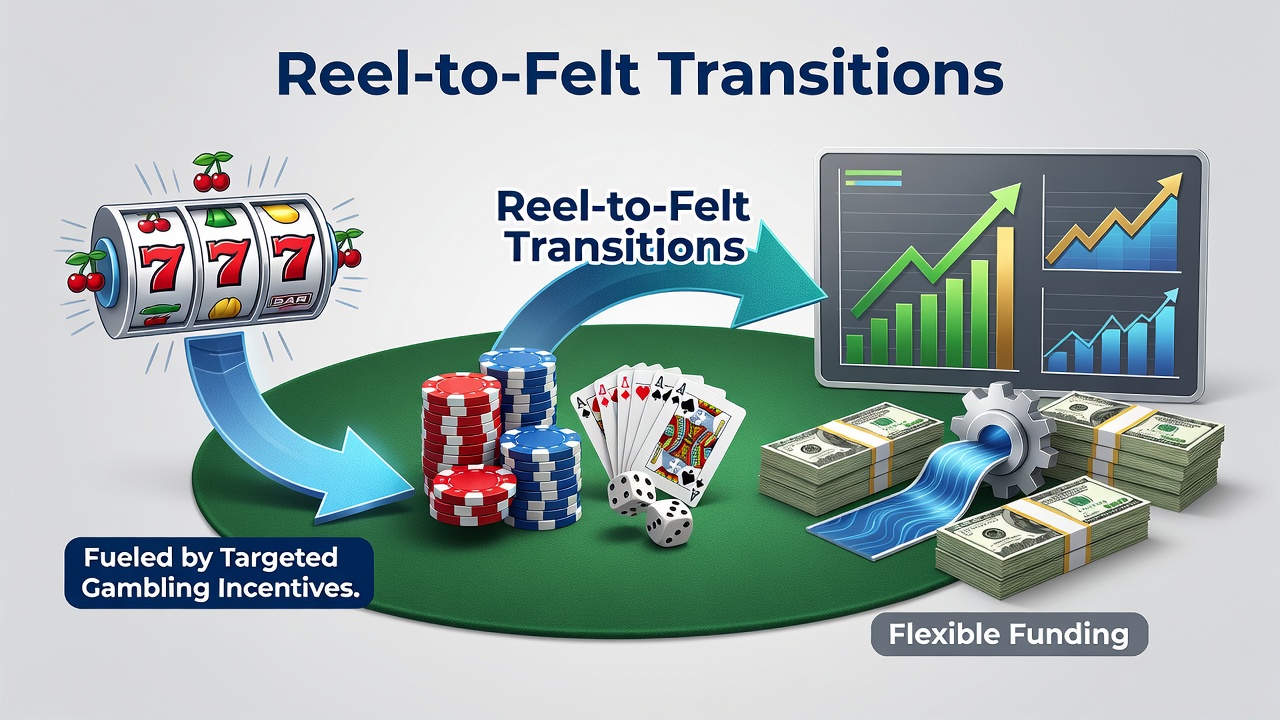
Payment providers that partner with gaming platforms have expanded support for recurring deposits, and this expansion coincides with documented rises in transitions documented by platform telemetry. Data from Canadian regulatory summaries released mid-2026 highlight that jurisdictions allowing rapid funding options record elevated cross-category play volumes compared with regions maintaining longer verification windows.
Patterns Observed Across Different Markets
Session data from various operators reveal that reel-to-felt movement occurs more frequently when incentives include both deposit matches and game-specific credits, and these combinations appear in marketing materials distributed through email and app notifications. Academic papers from gambling research centers in Australia have examined similar patterns and identified that players respond to progressive reward ladders that begin with reels and culminate in table access. Figures from those papers show average session lengths extend when funding tools permit uninterrupted movement between categories.
Regional differences emerge where some markets emphasize live dealer tables as destination points after reel bonuses, while others promote traditional felt tables through the same incentive pathways. Tracking reports indicate that live dealer environments capture a growing share of these transitions because streaming technology reduces the perceived gap between digital reels and physical table interaction.
Operational Adjustments by Gaming Providers
Platform developers integrate unified wallets that display available bonuses across game types, which simplifies the path from reels to tables for users. Backend systems now flag accounts that have completed reel-based requirements and surface table game offers automatically, and internal metrics show this automation correlates with higher conversion rates. Providers have adjusted loyalty programs to award points that apply equally to both categories, encouraging sustained movement rather than isolated play in one area.
Staff training at land-based venues has incorporated digital incentive tracking so that floor personnel can highlight table options when players finish digital reel sessions on connected terminals. This integration appears in several North American properties where data dashboards feed real-time recommendations to staff tablets.
Conclusion
Records from multiple sources confirm that targeted incentives paired with flexible funding continue to shape player movement from reel-based slots toward felt table games through mid-2026. Operators maintain these structures because session data demonstrate measurable increases in cross-category engagement when barriers between game types remain low. Regulatory summaries from non-UK jurisdictions and research outputs from academic centers provide ongoing visibility into these trends without prescribing specific outcomes.