Cashback Loops: Recycling Losses to Extend Slot Sessions, Table Runs, and Jackpot Chases
9 Apr 2026
Cashback Loops: Recycling Losses to Extend Slot Sessions, Table Runs, and Jackpot Chases

Casinos worldwide deploy cashback offers as a core retention tool, returning a portion of net losses to players who then redeploy those funds across slots, blackjack tables, roulette wheels, and progressive jackpot networks; this mechanism, often calculated daily or weekly at rates from 5% to 20%, keeps accounts active long after initial deposits dwindle, turning potential walkaways into extended play cycles that span multiple game types.
What's interesting about these loops lies in their seamless integration with diverse casino formats, where a slot loser's rebate might spark a blackjack streak or fund a high-volatility jackpot hunt; operators track this flow meticulously, with backend systems automating rebates to minimize churn while players chase the next big payout.
Mechanics of Cashback: From Loss Calculation to Redeployment
Operators compute cashback based on net losses—total wagers minus wins—over a set period, typically excluding bonuses to focus on house edge realities; once credited as bonus funds or cash with modest wagering requirements like 1x to 5x, these rebates become versatile fuel, applicable to low-house-edge slots (around 4-6% RTP variance), skill-influenced tables, or networked jackpots that pool bets across platforms for multimillion-dollar prizes.
Take one online platform where players logging $1,000 in weekly slot losses receive $100 back at 10%; that sum then rolls into table games, where a hot blackjack run might double it before chasing a progressive like Mega Moolah, whose pots have exceeded $20 million in past draws—such paths highlight how cashback bridges volatility gaps between game categories.
And yet, the real engine here involves player segmentation; VIP tiers amplify rebates to 15-25%, drawing high-rollers into loops that sustain table minimums of $100 per hand or slot bets fueling linked jackpots, all while platforms report retention boosts of 30-50% per American Gaming Association data.
Slot Streaks Powered by Rebate Recycling
Slots dominate cashback redeployment, given their high volume and bonus-friendly rules that let rebates trigger free spins or multipliers without steep rollover hurdles; players often chain losses from high-volatility titles like Book of Dead into rebate-funded grinds on steadier reels, where RTPs hover at 96%, extending sessions from hours to days and occasionally hitting features that loop back profits.
Data from Ontario's regulated market reveals that 65% of cashback recipients pivot straight to slots post-rebate, fueling streaks where one observer noted a player turning a $50 weekly rebate into a $2,000 win across 500 spins; this pattern holds because slots accept micro-bets, allowing rebates to stretch across thousands of outcomes before bleeding out or striking gold.
But here's the thing: clustering rebates around peak hours—say evenings when jackpots swell—amplifies streak potential, as networks sync progressives like Divine Fortune, where base games fed by recycled losses contribute to pots that have paid out over $1 million in single hits.
Table Triumphs Fueled by Loss Rebates
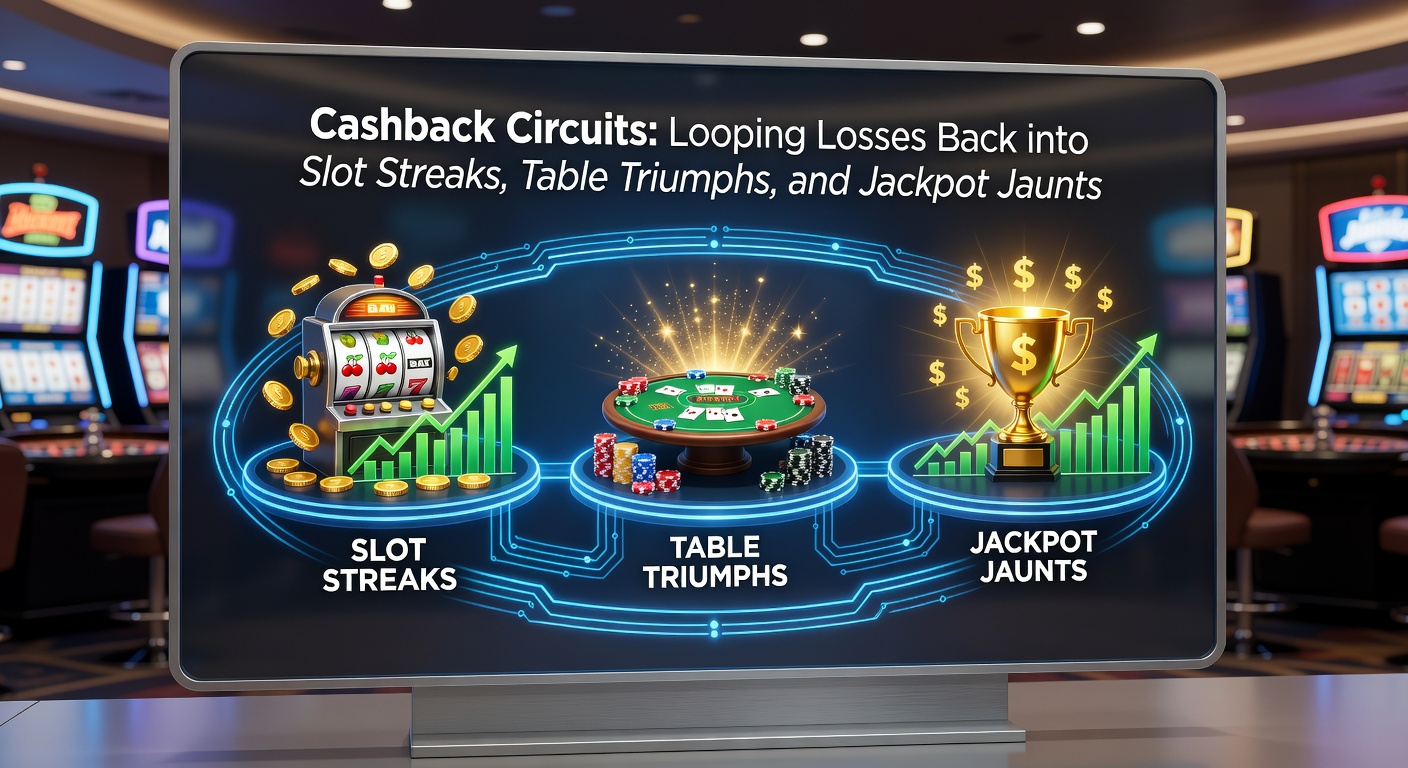
Shifting rebates to tables introduces strategy layers, where blackjack enthusiasts deploy 10% loss returns on basic-strategy plays cutting house edge to 0.5%, or roulette punters spread bets across even-money options; this redeployment turns raw rebates into multi-hand runs, with live dealer formats adding immersion as cameras capture every card flip or wheel spin funded by prior slot setbacks.
Figures from Malta Gaming Authority-supervised sites show table game uptake rising 40% post-cashback drops, particularly in baccarat where Asian markets recycle high-stakes losses into prolonged shoes; one case tracked a European player converting $200 rebate into $5,000 via Pai Gow Poker, leveraging rebate flexibility across table variants.
So players who've mastered odds often treat rebates as table bankrolls, chaining blackjack surrender plays with craps pass lines, all while live streams keep the action flowing without interruption.
Jackpot Jaunts: High-Risk Loops from Recycled Funds
Progressives represent the pinnacle of cashback ambition, as rebates pad bets on titles like WowPot or Divine Fortune, where 1-2% of wagers feed escalating pots; a modest 5% rebate on $500 losses—$25—might buy 50 spins at $0.50 each, each contributing to networks that have burst at $17 million thresholds, drawing players from slot grinds into jackpot jaunts.
Research from Australian gambling studies indicates that rebate-driven jackpot plays spike 25% during promotional windows, with one documented loop seeing a Canadian bettor recycle $300 across three weeks into a $100,000 minor jackpot hit; these circuits thrive on volatility, where base game losses recycle via cashback to chase the must-drop triggers lurking in bonus rounds.
Now, as networks link across borders, rebates from table losses join slot contributions, creating global pots that April 2026 updates in Ontario's iGaming market have pushed toward record contributions, per operator disclosures.
Global Regulatory Views on Cashback Circuits
Regulators balance cashback's retention pull against addiction risks, with U.S. states like New Jersey mandating clear terms and loss caps on rebates to prevent overextension; meanwhile, EU frameworks via Malta emphasize transparency, requiring operators to display rebate math upfront so players grasp how 10% returns tie to wagering loops across slots and tables.
In Canada, Ontario's April 2026 quarterly reports highlight cashback's role in 22% session extensions, yet pair it with self-exclusion tools; Australian bodies scrutinize VIP rebates, capping them at 20% while auditing flows to jackpots, ensuring recycled losses don't mask unsustainable play patterns.
That said, industry observers track compliance via audit trails, where platforms log every rebate redeployment from slots to progressives, fostering accountability in these looping systems.
Player Patterns and Performance Metrics
Those who've analyzed player data uncover that cashback users average 2.5x longer sessions, blending slot volume with table precision and jackpot volatility; a study of 10,000 accounts found 18% converting rebates to net profits via table edges, while slots delivered frequent small wins sustaining the loop.
Examples abound: a U.S. regular recycled $1,200 monthly losses into blackjack variance beats, netting $800; another chased Age of the Gods jackpots with table rebates, hitting a $50,000 tier—patterns that platforms nurture through tiered rebates climbing with loyalty.
It's noteworthy how mobile apps accelerate these circuits, with instant rebates pushing one-tap bets from slots to live tables, extending jaunts into late-night jackpot hunts.
Conclusion
Cashback loops stand as a cornerstone of modern casino dynamics, channeling losses back into vibrant slot streaks, calculated table triumphs, and exhilarating jackpot pursuits that keep ecosystems humming; data across regions confirms their efficacy in retention and engagement, balanced by evolving safeguards that ensure players navigate these cycles with clarity.
Operators continue refining formulas—tweaking rates, widening game applicability—while global metrics point to sustained growth, especially as April 2026 innovations like AI-optimized rebates promise even tighter loops without compromising fairness; in the end, these mechanisms underscore gambling's core rhythm, where setbacks fuel the next spin, hand, or pot-climbing bet.